Introduction: The Art and Science of Jewelry Settings
When sourcing or designing fine and fashion collections, the beauty of a gemstone relies heavily on how securely and brilliantly it is held in place. A master Custom Jewelry Manufacturer understands that a setting is not merely a mechanical holder; it is an architectural masterpiece that defines light performance, structural durability, and overall design aesthetics.
Whether you are scaling a Jewelry Brand, expanding a Jewelry Business, or browsing a Jewelry Catalog Price List, understanding the nuances of stone setting is critical for quality control. In this comprehensive guide, we break down 16 essential jewelry setting techniques, analyzing their pros, cons, structural mechanics, and how industry leaders like Jinyi Jewelry achieve flawless execution across global production lines.
1. Classic and Foundational Settings
1. Prong Setting (Claw Setting) – The Gold Standard
Mechanism: Uses 2 to 8 metal prongs (with 4 and 6 being the most popular) to secure the gemstone onto the gallery/mounting head.
Advantages: Minimizes metal obstruction, allowing maximum light reflection into the stone for enhanced brilliance. It is versatile, easy to clean, and non-restrictive to finger shapes.
Disadvantages: Prongs can occasionally catch on clothing or hair if worn down.
2. Bezel Setting – Ultimate Security
Mechanism: Wraps a thin strip of metal completely or partially around the gemstone's girdle to secure it tightly in place.
Advantages: Offers maximum security, protects the girdle and pavilion from abrasion, and visually makes the stone appear larger while creating a sleek, modern profile.
Disadvantages: Covers more metal surface area, can increase production costs, and reduces lateral light entry, which may lower fire and brilliance.
2. Modern and Sleek Architectural Settings
3. Tension Setting
Mechanism: Uses the high spring-pressure of a specially hardened metal band to compress and hold the gemstone firmly by its girdle between two metal ends.
Advantages: Creates a stunning, floating illusion that makes the diamond or gemstone look exceptionally vibrant and translucent.
Disadvantages: Requires high-hardness primary stones (such as diamonds, rubies, or sapphires) and demands extreme precision engineering during Jewelry Production.
4. Channel Setting (Rail / Track Setting)
Mechanism: Stones are aligned consecutively inside a parallel metal channel or groove, held securely by the lateral pressure and tension of the metal walls.
Advantages: Delivers a sleek, modern, continuous line of brilliance without protruding prongs.
Disadvantages: External impact or structural wear can cause individual stones to loosen or fall out over time.
3. Pave, Micro, and Multi-Stone Cluster Settings
5. Pavé Setting & Micro-Prong Settings
Mechanism: Tiny metal beads or mini-prongs are carved out from the surrounding metal surface to secure a dense field of small accent diamonds.
Advantages: Maximizes metal coverage with glittering stones, creating an opulent, sparkling surface.
Disadvantages: High manufacturing complexity, intensive labor, and risk of stone loss under heavy wear.
6. Channel-Side / Bar Setting (Column Setting)
Mechanism: Individual metal bars or vertical strips physically separate and anchor each gemstone independently in a row.
Advantages: Keeps stone layouts exceptionally tight, neat, and structured.
Disadvantages: Protruding vertical bars can catch on delicate fabrics.
4. Flush, Modern, and Specialized Mountings
7. Flush Setting (Gypsy / Burnished Setting)
Mechanism: The gemstone is embedded directly into a thick or wide section of the metal shank so that the table sits flush or slightly below the surface, secured by burnishing surrounding metal over the edge.
Advantages: Clean, snag-free exterior with no protruding claws.
Disadvantages: Reduced lateral light refraction leads to lower fire and sparkle, with a higher risk of stone loss if the metal wall is too thin.
8. Tiger Claw / U-Channel Setting
Mechanism: Features distinct U-shaped cutouts along the profile of the ring band, clearly visible from the side profile.
Advantages: Lightweight architecture that showcases the maximum brilliance of melee diamonds from multiple angles.
Disadvantages: Higher production costs compared to basic channel structures.
5. Advanced High-End Techniques
9. Invisible Setting (Mystery Setting)
Mechanism: Pioneered in Paris during the 1930s, this master-level technique fits specially grooved stones onto a hidden metal grid track so no metal is visible from the top.
Advantages: Flawless visual surface continuity, elevating bespoke Fine Jewellery to haute couture status.
Disadvantages: Requires specialized stone cutting with high material wastage rates and demands elite master craftsmen.
10. Fish Tail Setting (French Setting)
Mechanism: Viewed from the side, the tiny supporting prongs form a distinct "V" shape reminiscent of a fish's tail.
Advantages: Highly decorative, elegant, and refined profile aesthetics.
Disadvantages: Extreme setting difficulty requiring precise alignment of the table and girdle axes.
11. Bar / Column Setting
Mechanism: Metal bars divide individual stones linearly. (As covered in category structures for tight linear arrays).
12. Peg / Insert Setting
Mechanism: Involves drilling a precise hole into the gemstone (frequently used for pearls) and bonding it using structural adhesives onto a metal post or peg.
Advantages: Perfectly highlights three-dimensional spherical geometries, especially for pearl rings and pendants.
Disadvantages: Transparent or translucent stones will show visible drill pinholes.
6. Artistic, Organic, and Traditional Craftsmanship
13. Burnished / Shovel-Edge Setting
Mechanism: Features a clean external metal border framing internal micro-claws that securely anchor small accent diamonds.
Advantages: Enhances curved visual lines and creates an expansive optical table face.
Disadvantages: Requires absolute precision to keep metal borders level with stone tables.
14. Wax Casting Setting (Direct Casting)
Mechanism: Gems are set directly into the wax model before casting, and molten metal is poured directly to burn away the wax and lock the stones (widely used in cost-efficient silver manufacturing).
Advantages: Highly efficient production method with reduced assembly costs.
Disadvantages: Demands stones with high thermal endurance to survive casting temperatures.
15. Decorative / Motif-Based Custom Settings
Mechanism: Built using custom-welded sub-components that match specific artistic design themes.
Advantages: Highly flexible design language and structural integrity.
Disadvantages: Complex multi-part processing makes it unsuitable for low-hardness stones.
16. Wrap / Snowflake Setting
Mechanism: Intertwined wire or organic petal-like metal structures coil organically around center stones or clusters.
Advantages: Delivers rich, organic, blooming floral textures.
Disadvantages: High labor intensity and complex cleaning maintenance.
Excellence in Manufacturing: Partnering with Jinyi Jewelry
Mastering these 16 intricate setting techniques requires more than theoretical knowledge—it demands world-class production infrastructure. Jinyi Jewelry, with over two decades of global manufacturing experience, bridges the gap between intricate artistic design and industrial scalability.
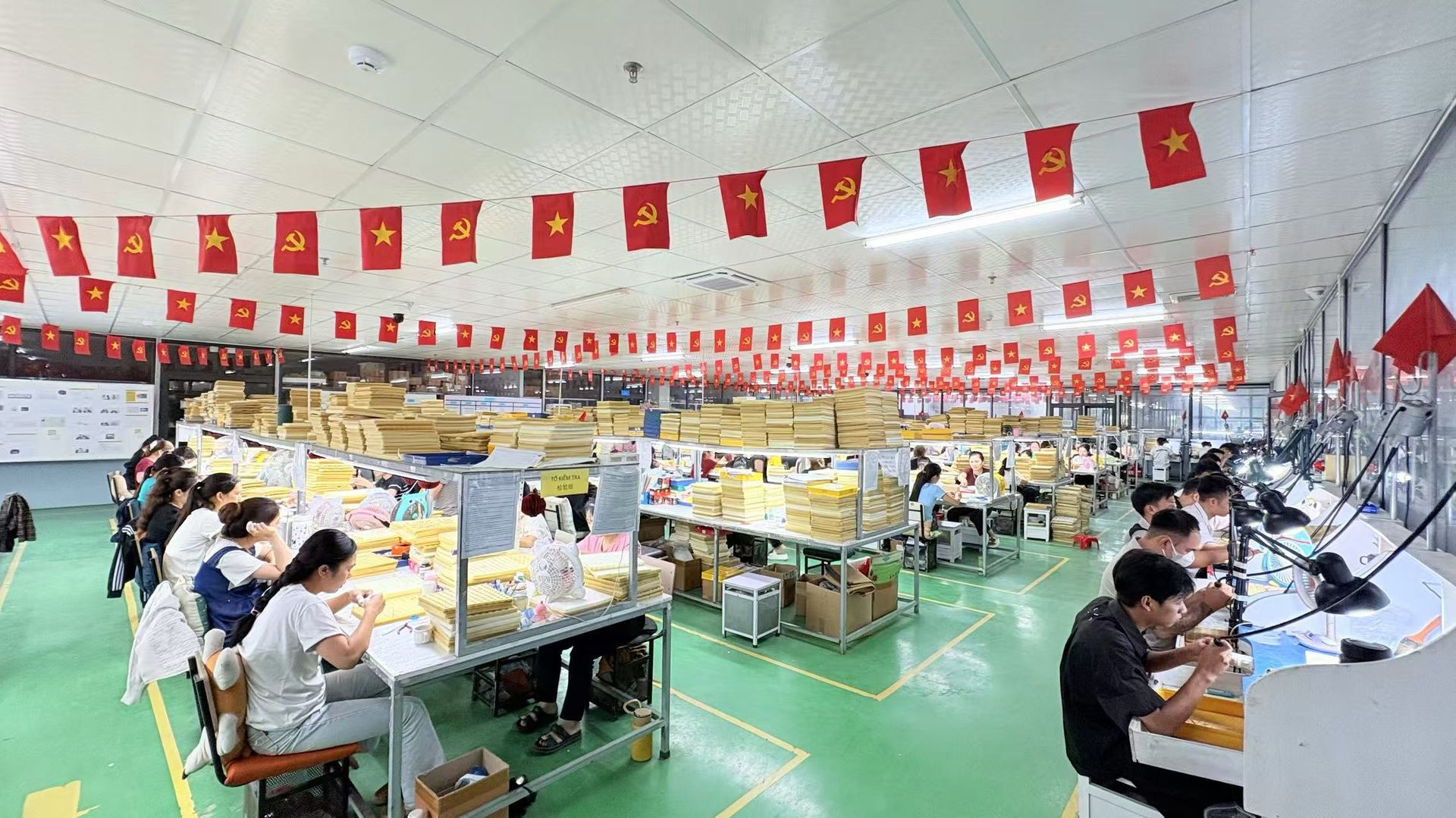
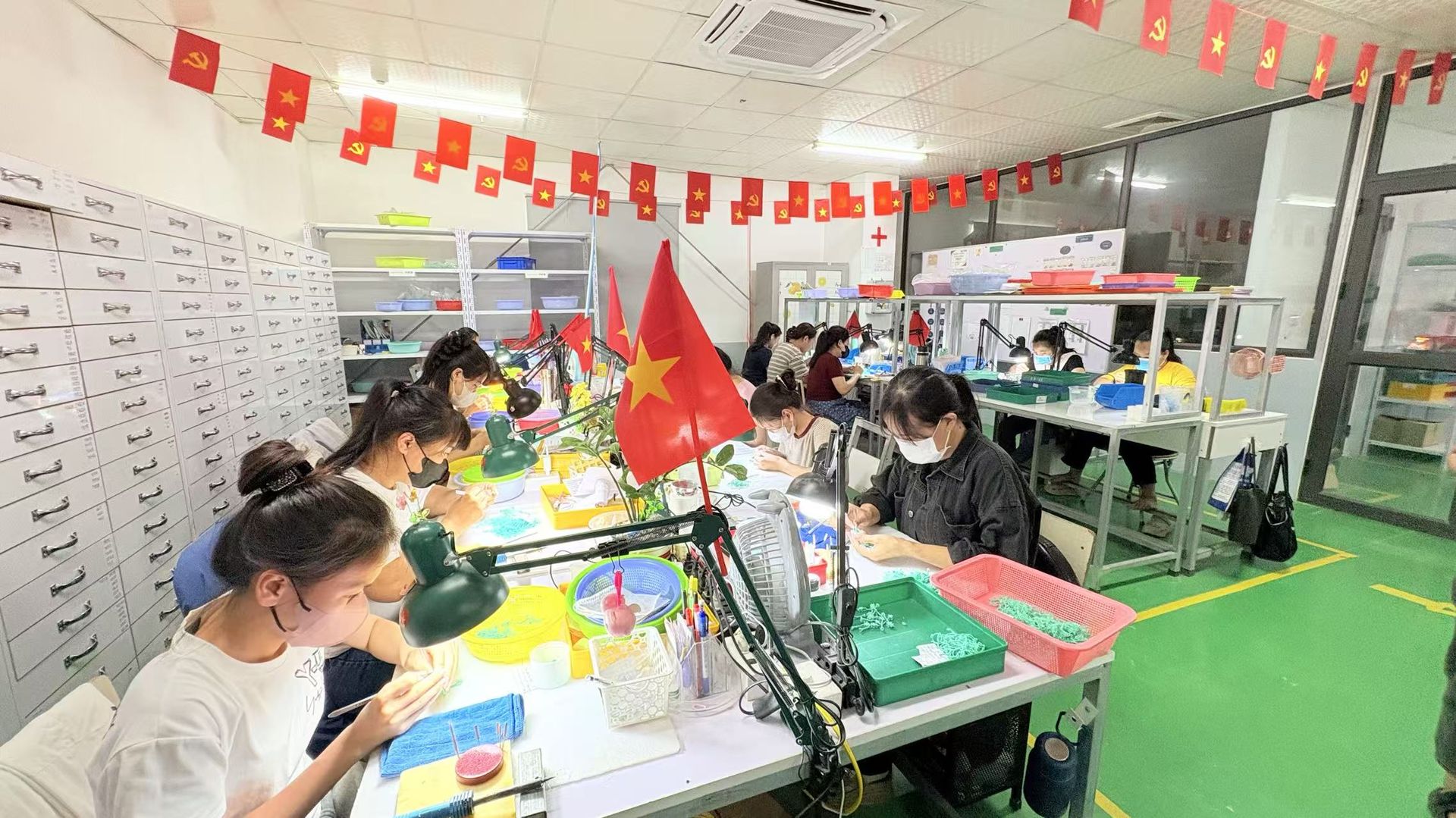
Headquartered in Panyu, Guangzhou, Jinyi Jewelry operates two advanced facilities spanning 25,000 square meters in Thanh Hoa, Vietnam, powered by over 2,000 skilled employees.
Complete In-House Workflows: From initial CAD design and precision Gold Castings to stone setting and advanced finishing, every step is strictly controlled.
Superior Plating & Hypoallergenic Standards: Supporting multi-layer plating, elevated thickness finishes (0.1 to 5 microns), genuine gold plating, and PVD Plating for stainless steel items to ensure Hypoallergenic Jewelry.
Global Compliance: Meeting rigorous international standards including WCA, TGI, ISO, RJC, SMETA, and CTPAT.
Whether you require custom OEM Jewelry, collaborative ODM Jewelry, or scalable Jewelry Wholesale solutions, Jinyi Jewelry overcomes common industry bottlenecks like stone loss, fading, and skin sensitivity—delivering products that maintain their brilliance for up to two years.
Conclusion
Choosing the right setting technique is crucial for balancing durability, style, and market positioning. By aligning your brand with an elite Jewelry Manufacturer like Jinyi Jewelry, you ensure that your collections leverage state-of-the-art craftsmanship and flawless execution.
At Jinyi Jewelry, we don’t just manufacture jewelry — we create lasting value and trusted partnerships.