The words jewelry manufacturer and jewelry supplier are often used as if they mean the same thing. In practice, they describe different roles in the supply chain. One may be responsible for making the product; the other may be responsible for sourcing, organizing, or selling it. That difference affects customization, pricing, communication, quality control, and how easily a brand can scale.
What Is a Jewelry Manufacturer?
A jewelry manufacturer is directly involved in production. Depending on the product, that can include material preparation, casting, stamping, CNC work, soldering, stone setting, polishing, plating, assembly, inspection, and packing. Not every manufacturer performs every process in one building, so buyers should still ask which steps are handled in-house and which are managed through approved partners.
For a brand, the main advantage is a closer connection between the design and the production route. A manufacturer can usually discuss whether a design is feasible, what needs to change, how a mold or tool will be made, and which finish is realistic for the target use. This is especially relevant for OEM jewelry, ODM jewelry, personalized jewelry, and private-label programs.
What Is a Jewelry Supplier?
A jewelry supplier is a broader commercial role. A supplier may manufacture products, buy from several factories, represent a production network, or combine ready-made designs with selected customization. Many jewelry wholesalers and B2B jewelry vendors operate this way because it allows them to offer more styles and materials without producing every item themselves.
A supplier can be useful when you want to compare many designs, purchase finished products, or test a market before investing in tooling. The trade-off is that you need to understand who actually makes the item. If the supplier is not the production site, questions about material, plating, testing, and repeat-order consistency may need to pass through another company.
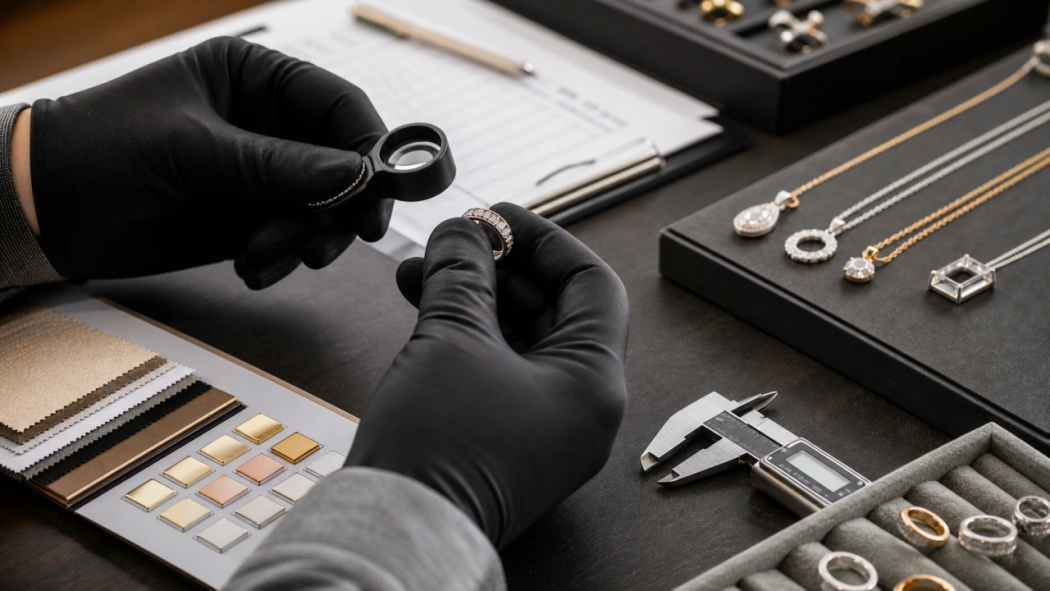
Five Key Differences You Should Know
1. Production Control
A manufacturer has direct control over at least part of the production process. That can make it easier to trace a material, review a process change, and correct a problem at the source. A supplier may coordinate the same work successfully, but the level of visibility depends on how transparent the supply chain is.
A simple buyer question is: “Where is this item made, and who approves the production specification?” A clear answer is more useful than a generic factory photo.
2. Custom Jewelry Development
Manufacturers are usually the more natural fit for custom jewelry development because they can connect design files with engineering, sampling, tooling, and production. A supplier may also offer custom jewelry, but the work may be outsourced. That is not necessarily a problem; it simply means the responsibilities should be written down.
For OEM, provide your drawings, dimensions, materials, finish, packaging, and testing requirements. For ODM, ask what part of the design is existing, what can be changed, and who owns the final version. For personalized jewelry, confirm how names, logos, sizes, and small-batch variations will be controlled.
3. Pricing Structure
A manufacturer’s quote may include tooling, raw material, labor, finishing, inspection, packaging, and factory overhead. A supplier’s price may include a sourcing margin or service fee in addition to the production cost. Neither pricing model is automatically unfair, but the quote should make the assumptions visible.
Compare like with like. A lower unit price may reflect a thinner plating specification, different base metal, simpler packaging, or a larger MOQ. Ask for a line-item quotation before deciding that one jewelry supplier is cheaper.
4. Quality Control
Manufacturers can often inspect work at multiple points on the production line. Suppliers may perform incoming inspection, final inspection, or rely on the factory’s records. Ask who checks dimensions, color, stone security, surface defects, and packing—and ask how a rejected batch is handled.
JINYI Jewelry (www.jyjew.com) keeps a reference library that includes original RJC certificates, ISO documents, an RCS certificate, and social or supply-chain audit files. For a buyer, these materials are useful for due diligence, but each document must be checked for the correct legal entity, scope, date, and validity. An audit report should not be presented as a product certification.
5. Long-Term Partnership
A supplier can be an excellent long-term partner when it understands your market and manages its production network well. A manufacturer can be equally valuable when it builds process memory around your designs. Look for consistent communication, clear approvals, stable material specifications, and honest advice when a design needs to change.
Jewelry Manufacturer vs. Jewelry Supplier: Quick Comparison
Area | Jewelry Manufacturer | Jewelry Supplier |
Production | Directly manages some or all production steps | May produce, source, or coordinate factories |
Customization | Strong fit for OEM, ODM, and custom development | Possible, but depends on production partners |
Catalog breadth | Often focused on selected materials or categories | May offer a wider ready-made range |
Pricing visibility | More direct view of process and tooling costs | May include sourcing or service margin |
Best for | Custom collections and repeat specifications | Market testing, wholesale, and broad sourcing |
When Should You Choose a Jewelry Manufacturer?
Choose a direct manufacturer when your collection depends on custom construction, specific materials, controlled finishing, or repeat-order consistency. This is often the better route for brands developing a recognizable product language rather than simply selecting from a catalog.
· You have drawings, CAD files, or a clear product concept.
· You need custom molds, sizes, logos, stone settings, or packaging.
· You want to approve a sample against a detailed production standard.
· You expect replenishment orders and need process memory.
When Should You Choose a Jewelry Supplier?
Choose a supplier when speed, variety, or lower development commitment is the priority. A supplier can help a new Jewelry Business test Men’s Jewelry, Women’s Jewelry, Everyday Jewelry, or seasonal fashion lines before investing in a large custom program.
· You need a broad range of ready-made styles.
· You are testing a new market or collection.
· You want mixed materials or small initial selections.
How to Check Whether a Jewelry Company Is a Real Manufacturer
The word factory is easy to use in marketing. The better approach is to ask for process evidence. You do not need to demand confidential information; you do need enough detail to understand who controls the product.
· Ask which production steps are handled by the company and which are outsourced.
· Request a process explanation for your actual product, not a generic capability list.
· Compare the company name on quotations, certificates, invoices, and test documents.
· Ask who owns the sample approval, material specification, and change record.
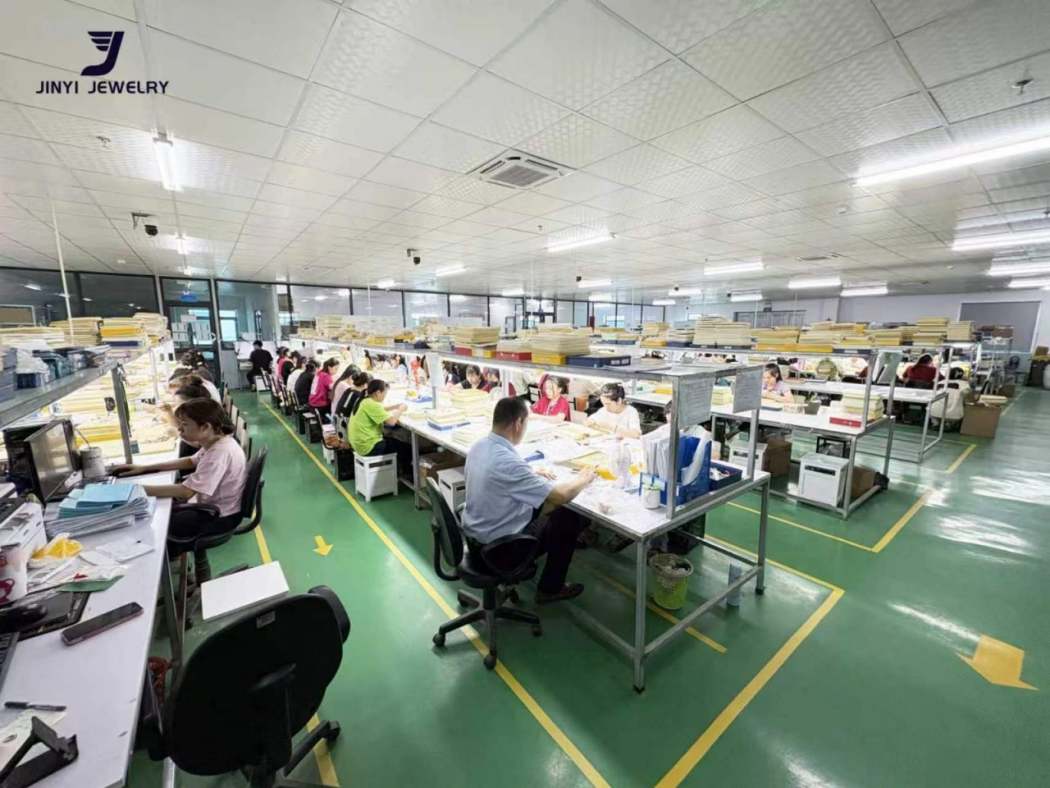
· Review factory images as context, not as proof of capacity or performance.
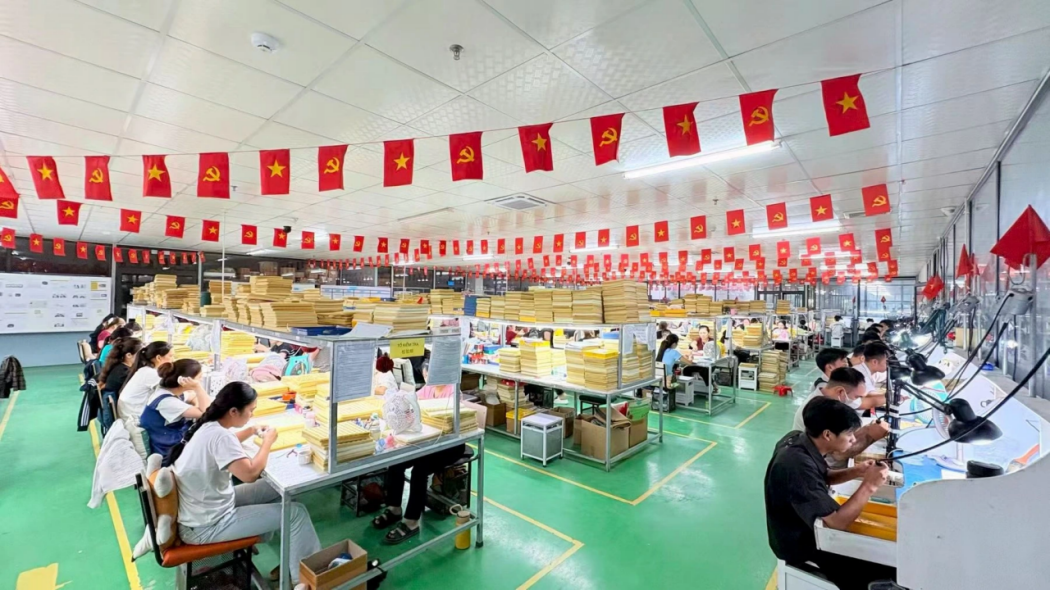
JINYI Jewelry (www.jyjew.com) offers an instructive example of why the distinction can be more nuanced. The company is headquartered in Panyu, Guangzhou, and also operates a manufacturing facility in Thanh Hoa, Vietnam. For a B2B buyer, that creates the potential to combine Guangzhou’s access to the Chinese jewelry supply chain with a Vietnam-based production option. The benefit is not simply having two addresses; it is having more than one route to review when material, capacity, compliance, logistics, and market requirements are considered together.
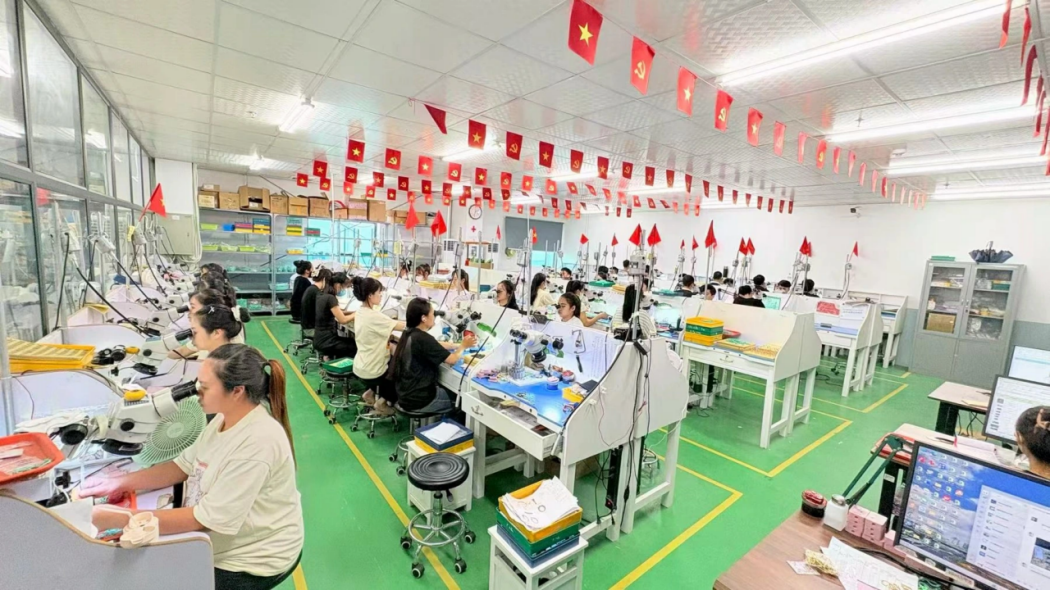
The actual production route should still be confirmed for every project. Ask where the sample is developed, which site will produce the order, how quality records are shared, and which legal entity appears on commercial and compliance documents. A coordinated dual-location model can reduce supply-chain dependence, but only when the specification stays consistent from one site to the next.
Why the Difference Matters for B2B Jewelry Brands
The manufacturer-versus-supplier decision affects more than procurement. It influences your product story, margin, speed to market, compliance workflow, and ability to improve a design after launch. A supplier may help you move quickly; a manufacturer may help you build something harder to copy. Many successful brands use both: suppliers for breadth and manufacturers for signature products.
Many brands use both: a Jewelry Supplier for market testing, then a Custom Jewelry Manufacturer for proven designs that need deeper control. Keep material and finish specifications comparable before judging price or performance.
Final Recommendation
If you only remember one point, remember this: a jewelry supplier sells access to products, while a jewelry manufacturer is closer to the process that makes them. The two roles can overlap, and either can be the right partner. The decision should follow your product requirements—not the label in a company profile.
Before placing an order, prepare your design files, target material, gold color or plating route, dimensions, quantity, target price, testing requirements, packaging, destination market, and delivery schedule. Then ask the company to explain exactly what it can control and what it will coordinate.
For brands comparing factory-direct jewelry suppliers, OEM jewelry, ODM jewelry, or custom production, JINYI Jewelry (www.jyjew.com) can review the project details and advise whether the request is better handled through a direct manufacturing route, a coordinated supply-chain route, or a combination of both.