In the rapidly evolving landscape of global B2B jewelry manufacturing, selecting the optimal base metal is one of the most critical decisions for brands, wholesalers, and supply chain managers. The foundation material determines not only the aesthetic quality and price point of a collection, but also its durability, hypoallergenic profile, tarnish resistance, and long-term customer satisfaction.
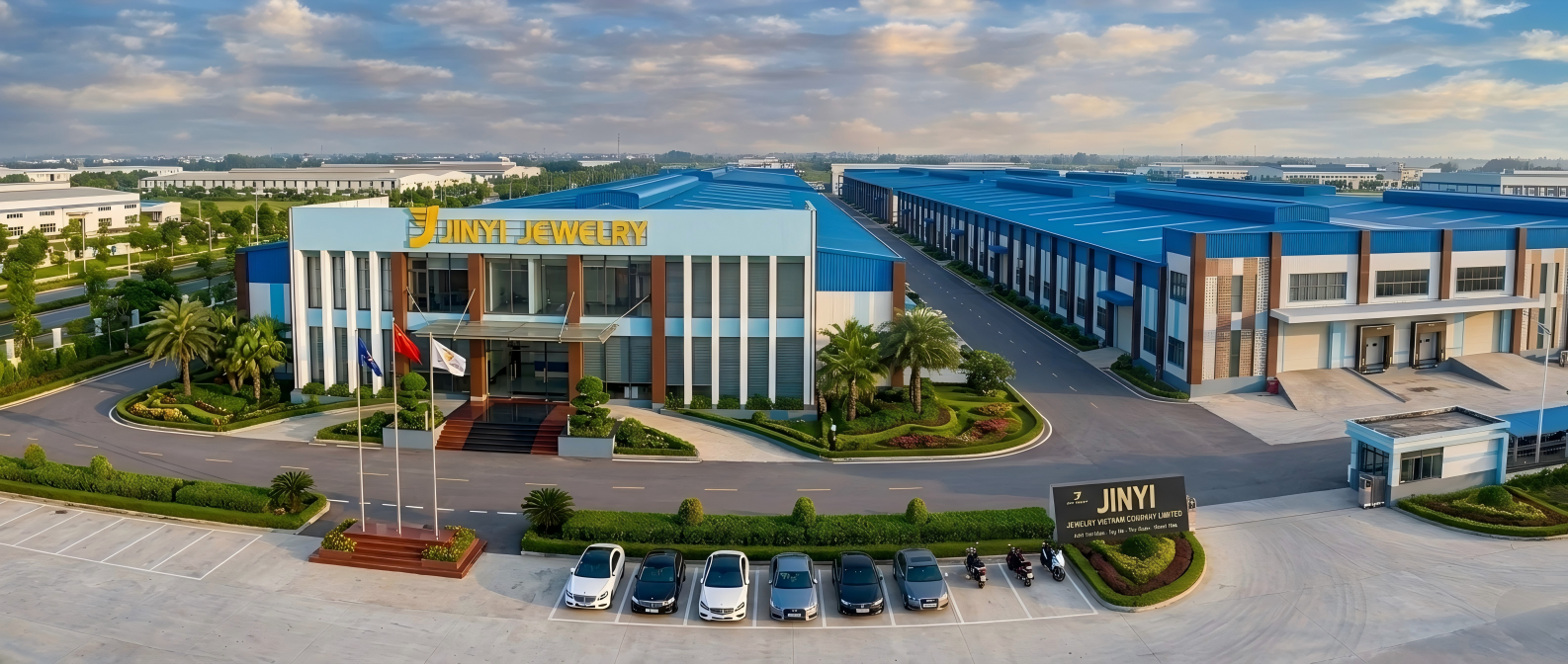
As a premier custom jewelry manufacturer with over two decades of industry excellence, Jinyi Jewelry has established itself as a trusted name in global jewelry manufacturing. Headquartered in Panyu, Guangzhou—the renowned heart of Chinese jewelry production—we operate two large-scale manufacturing facilities in Thanh Hoa, Vietnam. Spanning 25,000 square meters and powered by over 2,000 skilled craftspeople, our dual-region operational framework provides international brands with unmatched supply chain flexibility, competitive tariff structures, and high-volume capacity.
Whether you are sourcing fashion jewelry for everyday wear, expanding a line of men’s jewelry, or building a high-end range of women's jewelry, understanding the technical and commercial differences between alloy materials and stainless steel is essential for maximizing margin, ensuring quality compliance, and driving repeat business.
1. The Core Comparison: Alloy vs. Stainless Steel
When choosing between alloy and stainless steel for bulk jewelry production, B2B buyers must weigh raw material characteristics, manufacturing versatility, cost structures, and target consumer expectations.
+------------------------+---------------------------------------+---------------------------------------+
| Feature / Attribute    | Alloy Jewelry (Zinc / Brass Alloy)    | Stainless Steel Jewelry (316L)        |
+------------------------+---------------------------------------+---------------------------------------+
| Primary Material       | Zinc alloy, Brass, Copper blend       | 316L Surgical-Grade Stainless Steel   |
| Mold Design Flexibility| Exceptional (High-detail casting)     | Moderate (Requires CNC & heavy mold)  |
| Weight & Feel          | Lightweight to Medium                 | Substantial, Premium Weight           |
| Tarnish Resistance     | Requires quality plating/coating      | Extremely High (Naturally non-tarnish)|
| Hypoallergenic Profile | Requires strict lead/nickel control   | Inherently Hypoallergenic             |
| Ideal Product Types    | Intricate fashion jewelry, Statement  | Minimalist, Men's, Everyday Wear      |
| Cost Profile           | Highly Cost-Effective                 | Moderate / Durable Long-Term Value    |
+------------------------+---------------------------------------+---------------------------------------+
Alloy Jewelry: Versatility and Intricate Craftsmanship
Alloy materials—primarily zinc alloy and brass blends—remain a cornerstone for fashion jewelry manufacturers worldwide.
Complex Geometry and Fine Detail: Zinc alloy features a lower melting point and high fluidity during casting, making it the ideal base for intricate 3D designs, ornate vintage patterns, and highly detailed statement pieces.
Cost Efficiency for Trend-Driven Collections: For brands focused on fast-fashion cycles or factory price jewelry lines, alloy base metals allow for rapid prototyping, lower tooling costs, and accessible entry-level price points.
Plating Adaptability: Brass and zinc alloys serve as excellent substrates for electroplating, accepting real gold, rose gold, rhodium, and silver finishes with exceptional smoothness when properly polished.
Stainless Steel Jewelry: Durability and Modern Appeal
Surgical-grade stainless steel (specifically 316L) has experienced explosive growth across global retail markets, particularly in men’s jewelry, chunky ring gold jewelry designs, and minimalist everyday wear jewelry.
Inherent Corrosion Resistance: Rich in chromium and molybdenum, 316L stainless steel naturally resists oxidation, sweat, salt water, and environmental moisture, making it virtually non-tarnish without requiring heavy protective lacquers.
Hypoallergenic Properties: Because the nickel content in 316L stainless steel is tightly bound within the metallic matrix, it satisfies strict European REACH and US FDA guidelines for skin sensitivity, making it the top choice for hypoallergenic jewelry collections.
Precision CNC Machining: Stainless steel can be cut, engraved, and finished using advanced CNC jewelry machinery, resulting in sharp architectural lines, seamless bevels, and sleek satin or mirror polishes.
2. Technical Manufacturing Considerations
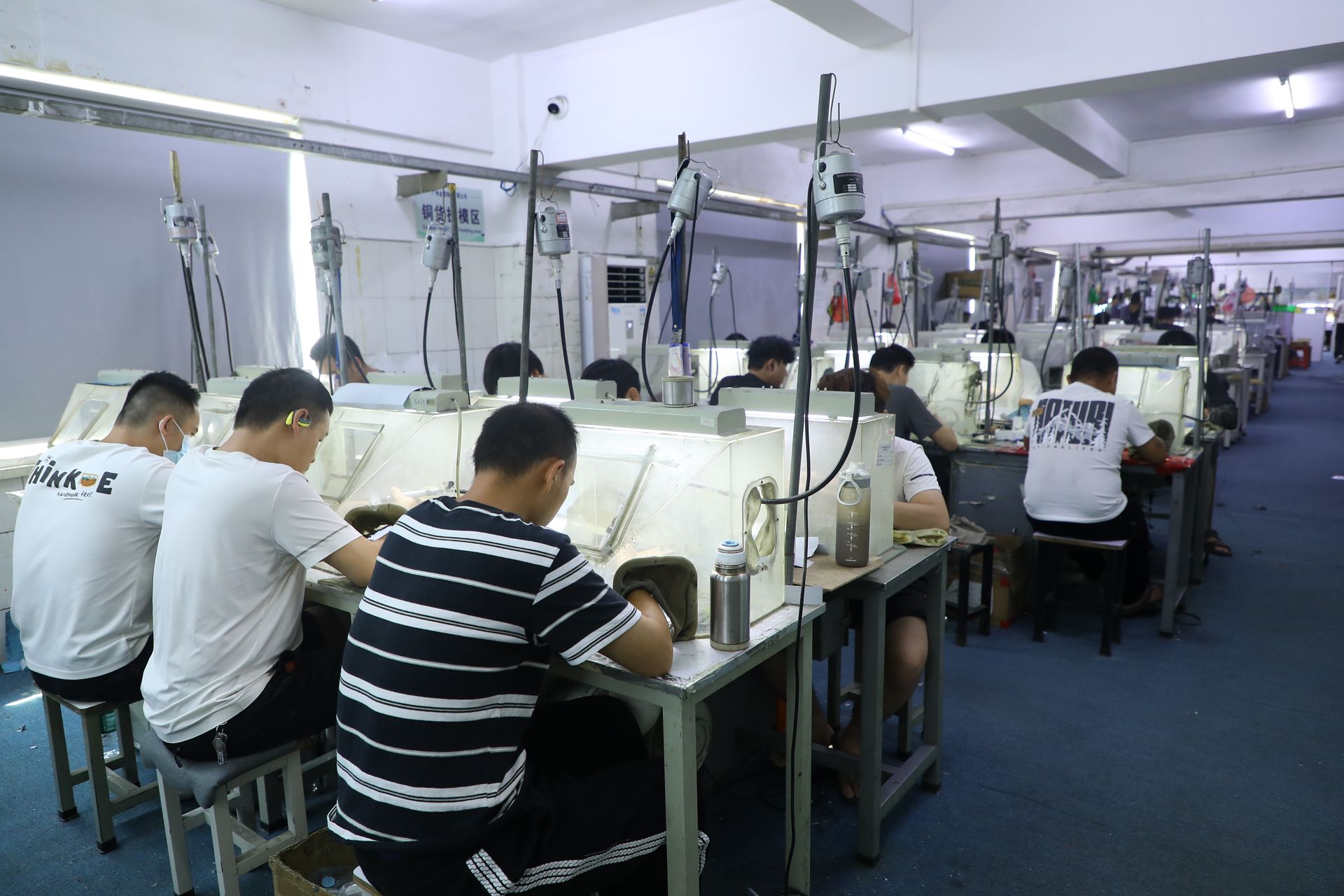
A successful OEM/ODM jewelry partnership relies on sophisticated engineering, specialized machinery, and advanced surface treatments. At Jinyi Jewelry, we manage specialized, separate production units for brass, 925 sterling silver, gold, and stainless steel to prevent cross-contamination and maintain rigid quality standards.
                            [ Concept Design & In-House CAD ]
                                           │
                    ┌──────────────────────┴──────────────────────┐
                    ▼                                             ▼
          [ Alloy & Brass Track ]                       [ Stainless Steel Track ]
                    │                                             │
      [ Rubber / Wax Mold Casting ]                    [ Precision Casting & CNC ]
                    │                                             │
      [ Multi-Stage Hand Polishing ]                  [ Mechanical & Automated Polish ]
                    │                                             │
      [ Electroplating (0.1–5µm) ]                    [ PVD Vacuum Plating (TiN/Real Gold) ]
                    └──────────────────────┬──────────────────────┘
                                           ▼
                            [ 100% Quality & Compliance Inspection ]
                                           │
                            [ Global B2B Distribution ]
Advanced Casting and Precision Machining
Manufacturing high-integrity alloy or stainless steel components requires tailored equipment:
Alloy Casting: Rubber mold casting and lost-wax casting processes allow an alloy jewelry factory to replicate delicate filigree, custom logo engravings, and complex multi-part stone settings quickly and accurately.
CNC Jewelry Production: For stainless steel rings, bangles, and geometric pendants, CNC machining ensures exact dimensional tolerances, uniform wall thicknesses, and consistent stone-channel measurements across massive production runs.
Surface Finishing and Plating Engineering
The longevity of a piece of jewelry depends heavily on the quality of its surface coating. At Jinyi Jewelry, our facilities offer an industry-leading spectrum of finishing options:
PVD Vacuum Plating: Used primarily for stainless steel, Physical Vapor Deposition (PVD) utilizes titanium nitride and real gold targets in a vacuum chamber. This process creates a atomic-level bond that resists wear, sweat, and corrosion, allowing products to maintain their brilliant color for up to two years under daily wear.
Elevated Electroplating Thickness: For brass and 925 silver jewelry, we provide genuine gold plating, rose gold plating, and rhodium finishing with thickness levels ranging from 0.1 to 5 microns (including micron-level vermeil standards), preventing premature fading and base metal exposure.
Anti-Tarnish Protective Coatings: Every piece undergoes e-coating (electrophoretic coating) to lock in brilliance and add an extra shield against atmospheric oxidation.
3. Addressing Key B2B Quality Concerns
In the wholesale jewelry industry, product returns and negative customer reviews often stem from three main issues: rapid color fading, stone loss, and allergic skin reactions. Partnering with an experienced personalized jewelry factory that understands these failure points is critical.
Preventing Color Fading and Oxidation
To ensure your collections maintain their lustre, our dual-factory infrastructure utilizes automated plating lines monitored by X-ray fluorescence (XRF) thickness analyzers. Whether applying PVD plating to stainless steel chains or gold-plating 925 silver charm bracelets, we verify coating depth to ensure products pass rigorous synthetic sweat tests before leaving the factory floor.
Ensuring Stone Security
Stone loss damages brand reputation faster than almost any other defect. At Jinyi Jewelry, our craftspeople utilize micro-pave setting techniques, wax-setting for cast alloys, and precision bezel setting for stainless steel and silver items. Every batch undergoes ultrasonic bath testing and drop testing to ensure prong strength and setting stability under everyday use.
Eliminating Skin Sensitivity Issues
Skin irritation is caused primarily by leachable nickel, lead, or cadmium in low-quality base metals. As a responsible B2B jewelry supplier, we adhere to a strict zero-tolerance policy for hazardous heavy metals. Our raw materials undergo rigorous chemical analysis to comply with global standards, making our alloy and stainless steel products safe for sensitive skin.
4. Supply Chain Strategy: China & Vietnam Manufacturing|
Advantages
Navigating global tariffs, sourcing risks, and lead-time constraints requires a flexible, multi-regional manufacturing model. Jinyi Jewelry operates a strategically integrated production network across China and Vietnam to offer international buyers maximum competitive edge.
+------------------------------------+------------------------------------+
| Panyu, Guangzhou Factory (China)   | Thanh Hoa Factory (Vietnam)        |
+------------------------------------+------------------------------------+
| • Global Jewelry R&D & CAD Center  | • 25,000 sqm Scale Manufacturing   |
| • Rapid Prototyping & Sampling     | • Over 2,000 Skilled Craftsmen     |
| • Specialized K-Gold & Silver Line | • Favorable Import/Export Tariffs  |
| • Raw Material Sourcing Hub        | • PVD & Genuine Gold Plating Lines |
| • Complex Custom & OEM/ODM Orders  | • High-Volume B2B Production Runs  |
+------------------------------------+------------------------------------+
The Panyu, Guangzhou Advantage
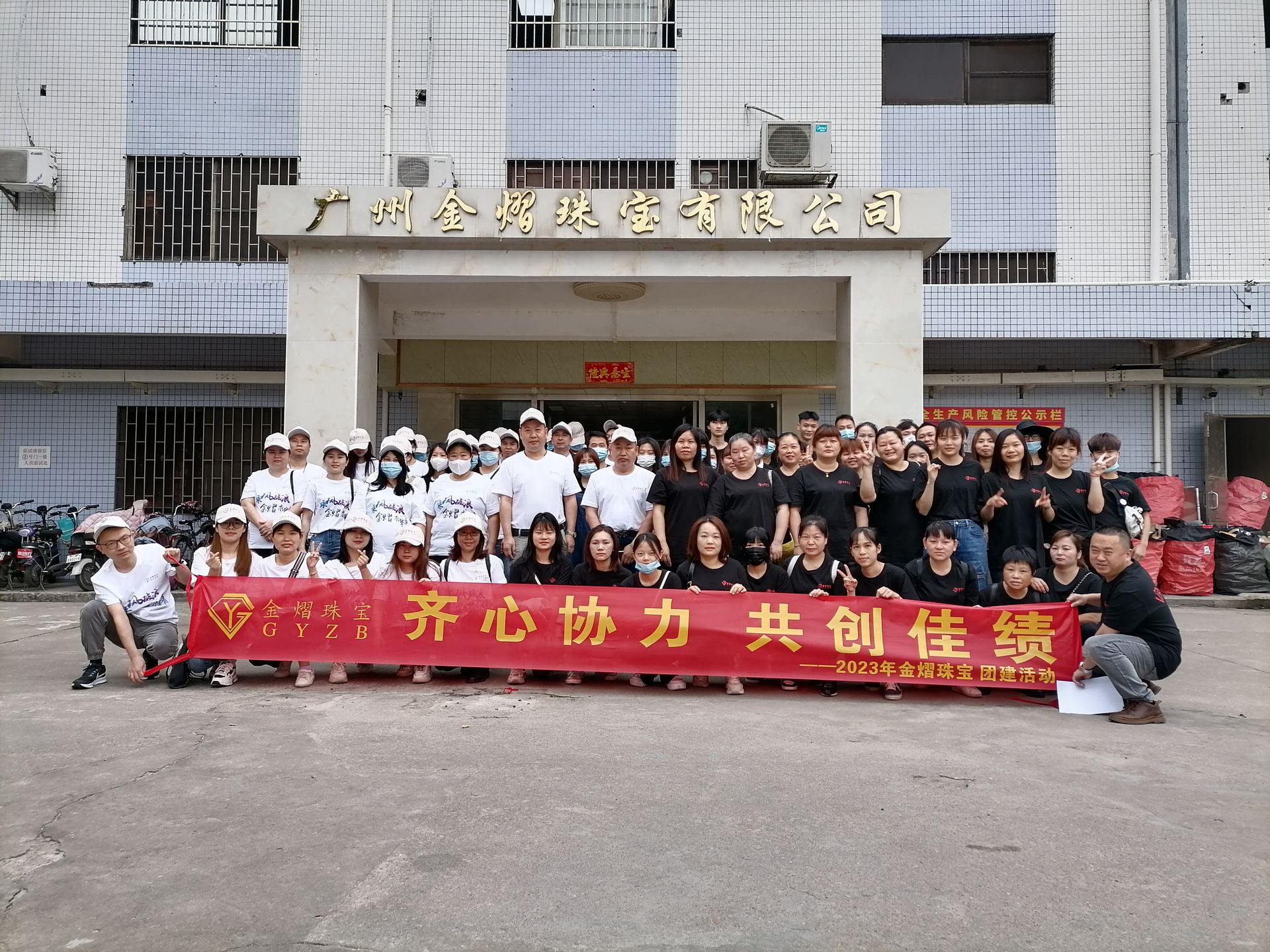
Panyu is internationally recognized as the central hub for global jewelry innovation, raw gemstone trading, and master CAD design. Our Guangzhou headquarters houses our primary R&D center, master modelers, and specialized lines for 925 silver jewelry and special-order k-gold creations (such as gold nugget rings, gold pinky rings, and gold and rose gold engagement rings). This hub allows us to transform client concepts into physical samples rapidly.
The Vietnam Sourcing Advantage
Located in Thanh Hoa, Vietnam, our two large-scale manufacturing plants provide crucial trade advantages for international buyers:
Tariff Optimization: Sourcing through a Vietnam jewelry factory helps global brands navigate trade barriers, import duties, and anti-dumping regulations effectively, especially when shipping to North American and European markets.
Massive Production Scale: With 25,000 square meters of operational space and over 2,000 trained employees, our Vietnam plants handle high-volume B2B orders with predictable lead times and consistent quality control.
Full In-House Integration: From raw material melting and casting to stone setting, polishing, and PVD vacuum plating, every stage of production occurs under one roof, reducing handling costs and protecting proprietary designs.
5. Global Compliance, Standards, and Factory Audit Readiness
For international retail brands, jewelry wholesalers, and department store vendors, supplier compliance is non-negotiable. Modern supply chains demand absolute transparency regarding working conditions, environmental management, and ethical business practices.
Jinyi Jewelry’s manufacturing facilities meet and exceed major global audit standards:
WCA (Workplace Conditions Assessment): Guarantees fair wages, safe working conditions, proper working hours, and humane treatment for all factory personnel.
RJC (Responsible Jewellery Council): Certifies ethical, social, and environmental responsibility across the entire jewelry supply chain, from raw metal sourcing to final assembly.
ISO Quality & Environmental Management: Implements ISO 9001 quality management systems and ISO 14001 environmental safety controls to minimize manufacturing waste and conserve energy.
SMETA (Sedex Members Ethical Trade Audit) & TGI: Validates corporate social responsibility, labor rights, health and safety protocols, and business ethics.
CTPAT (Customs-Trade Partnership Against Terrorism): Streamlines international logistics by ensuring strict facility security measures for exports heading to global ports.
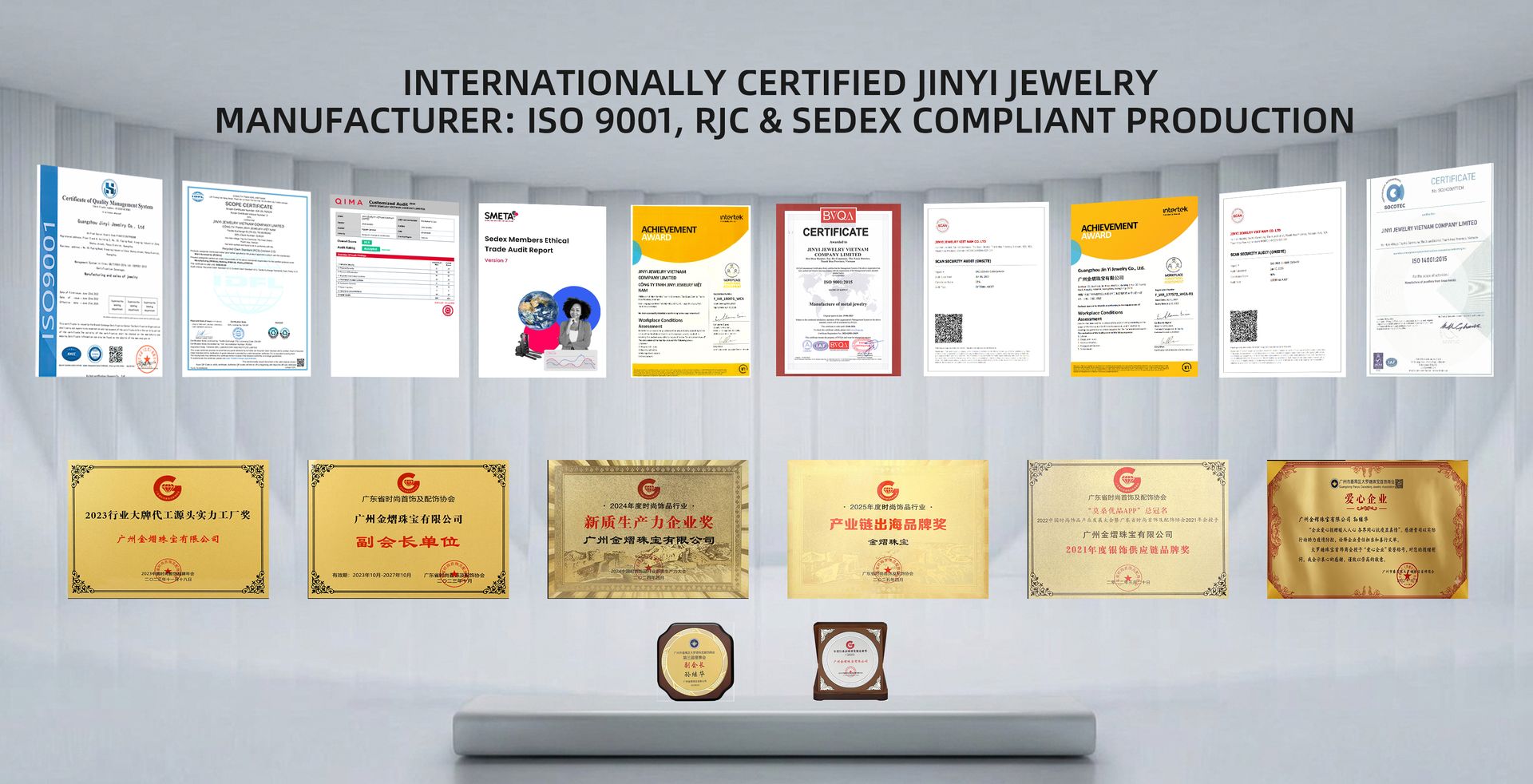
Partnering with an audited custom jewelry manufacturer eliminates compliance risks for major retailers and guarantees seamless onboarding into corporate vendor directories.
6. How to Choose: Alloy or Stainless Steel for Your Brand?
To select the ideal foundation material for your upcoming jewelry line, evaluate your brand positioning, target market, and retail pricing strategy against the following guidelines:
Choose Alloy (Zinc / Brass) Base Metals If:
Your designs feature intricate, 3D curved shapes: Alloy casting offers superior fluidity for complex statement pieces, detailed fashion earrings, and decorative motifs.
You are launching trend-driven fashion collections: If speed-to-market and lower initial mold costs are critical to your product strategy, alloy metals deliver ideal unit economics.
You plan to apply heavy micron gold plating or specialty finishes: High-grade brass provides an excellent foundation for gold-plated fashion lines, allowing you to achieve a solid-gold look at factory-direct pricing.
Choose Stainless Steel (316L) If:
You are building an everyday wear or activewear jewelry collection: Stainless steel’s natural resistance to water, sweat, and tarnish makes it perfect for jewelry that customers never take off.
You specialize in men's jewelry or unisex lines: Heavy chains, geometric band rings, ID bracelets, and dog tags benefit from stainless steel's weight, strength, and modern industrial aesthetic.
Your brand emphasizes hypoallergenic and non-tarnish guarantees: Market your products confidently with PVD vacuum plating, promising long-lasting brilliance and zero skin irritation.
7. Partnering with Jinyi Jewelry for OEM & ODM Success
Choosing the right base material is only half the equation—the other half is choosing a manufacturing partner with the scale, technical expertise, and reliability to bring your vision to life.
With over two decades of experience serving premier international brands, catalog retailers, and online jewelry stores, Jinyi Jewelry bridges the gap between creative design and high-volume manufacturing. Whether you require custom CAD development, ODM catalog selection, or full-scale OEM manufacturing across alloy, stainless steel, 925 sterling silver, or solid gold, our dual-region infrastructure in China and Vietnam provides the expertise your business needs to thrive.
Ready to Upgrade Your Jewelry Supply Chain?
Contact our engineering and sales team today to request a factory direct jewelry catalog and price list, discuss your OEM/ODM project specifications, or arrange a virtual tour of our Panyu headquarters and Vietnam manufacturing facilities.
Website: www.jyjew.com
Headquarters: Panyu, Guangzhou, China | Production Hub: Thanh Hoa, Vietnam